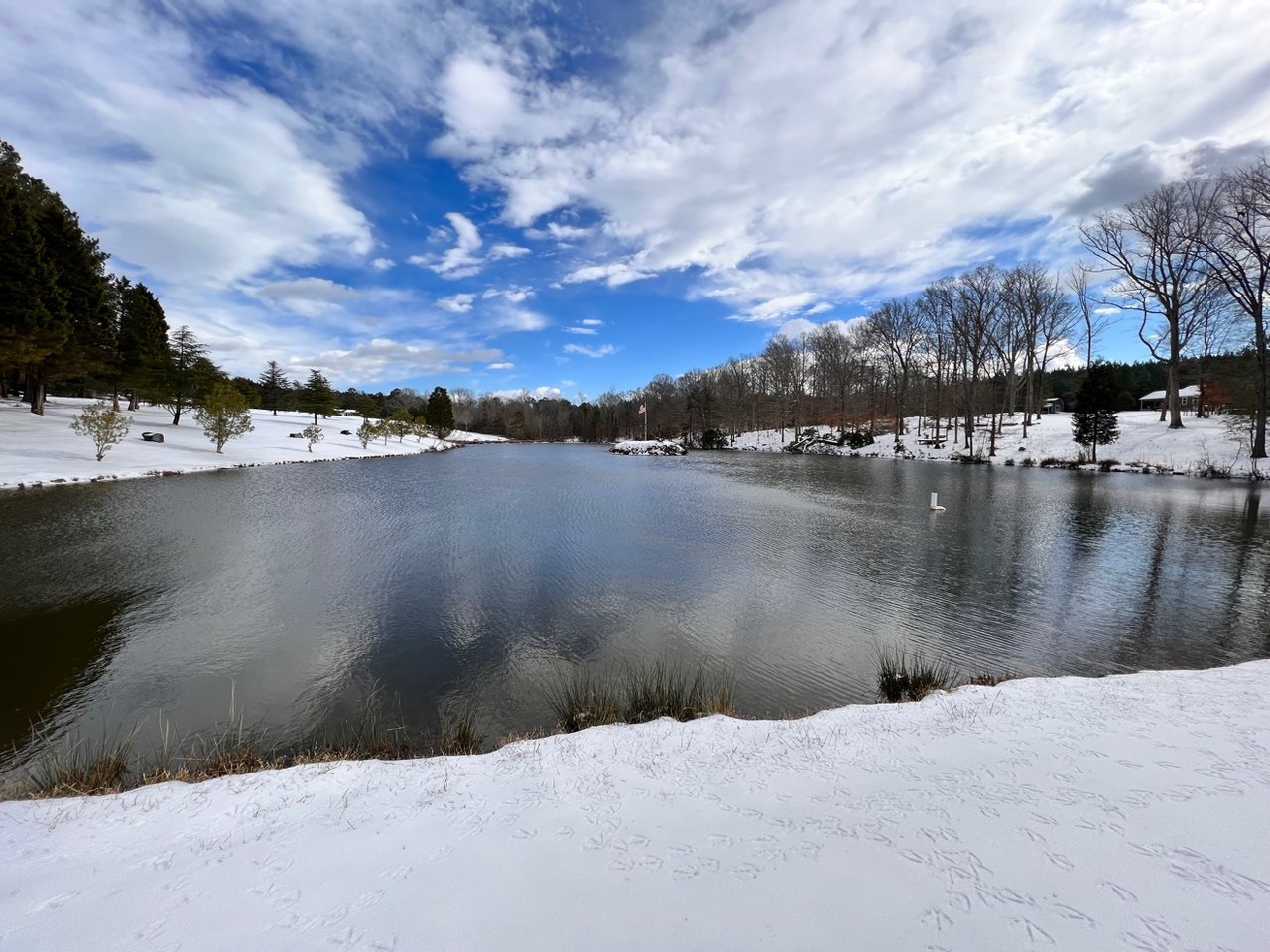
Cold Snap Coming? A Lake Norman Homeowner's Weekend Checklist
Home Maintenance Elizabeth Davis November 11, 2026
Home Maintenance Elizabeth Davis November 11, 2026
those lines.
The American Red Cross offers excellent guidance on preventing frozen pipes.
My tip: Don't forget the faucet on the back of the house or the one hidden behind your landscaping!
Foam faucet covers are inexpensive and available at most hardware stores.
They provide an additional layer of protection for outdoor spigots, although they don't replace properly shutting off and draining vulnerable lines.
Pay particular attention to exposed plumbing in crawl spaces, garages, and unheated areas.
Many Lake Norman homes have crawl spaces, and pipes located in poorly insulated areas may be vulnerable during extended periods of freezing weather.
A little pipe insulation now could save you a much bigger expense later.
Here's something every homeowner should know, regardless of the season.
If a pipe bursts, do you know how to shut off the water?
Take a few minutes to locate your home's main water shutoff valve and make sure other household members know where it is.
You don't want to be searching for it while water is pouring into your home.
If you aren't sure where yours is located, ask a qualified plumber to help you identify it.
The last thing you want is to discover your heat isn't working on the coldest night of the year.
Replace dirty HVAC filters, make sure vents aren't blocked, and check that your thermostat is functioning properly.
If your heating system hasn't been serviced recently, consider scheduling a professional inspection.
For more guidance, visit the ENERGY STAR Heating and Cooling Maintenance Checklist.
And remember, if you're leaving town during cold weather, don't turn your heat off.
The American Red Cross recommends maintaining a temperature of at least 55°F when you're away, although some homes may require a higher setting to protect vulnerable plumbing.
This is such a simple trick, but it can make a difference.
If you have plumbing along exterior walls, opening the cabinet doors beneath kitchen and bathroom sinks allows warmer indoor air to circulate around the pipes.
During particularly severe cold, allowing a small trickle of water from faucets serving vulnerable pipes may also help reduce the risk of freezing.
Be sure to move household chemicals out of reach of children and pets when leaving cabinets open.
The CDC provides additional winter weather safety recommendations.
Fall leaves can quickly clog gutters, especially in neighborhoods with mature trees.
Before freezing weather arrives, make sure gutters and downspouts are clear and directing water away from your home's foundation.
Blocked gutters can contribute to drainage problems and, under freezing conditions, ice buildup.
If your gutters are difficult to reach, hire a professional rather than risking a fall from a ladder.
We have such beautiful landscaping throughout Lake Norman, but not every plant handles freezing temperatures well.
Move vulnerable potted plants into a garage, greenhouse, or protected area when appropriate.
Cover sensitive outdoor plants with breathable frost cloth, making sure the covering extends to the ground.
Avoid placing plastic directly against delicate foliage.
And remember to check on newly planted shrubs and trees, which may be more susceptible to cold-related stress.
If you have an irrigation system, make sure it's properly winterized for the conditions and the type of equipment installed.
Water remaining in exposed irrigation components can freeze and cause damage.
Depending on your system, professional winterization may be necessary.
This is especially important for properties with extensive landscaping, larger lots, or complicated irrigation systems.
There's nothing quite like enjoying a fire on a cold winter evening.
But fireplaces and chimneys require maintenance, too.
If you have a wood-burning fireplace, make sure the chimney has been inspected and cleaned as needed before use.
Gas fireplaces should also be inspected and serviced according to the manufacturer's recommendations.
Test your smoke and carbon monoxide alarms.
The CDC's winter storm preparation guide includes important information about heating safety.
And please remember: Never use outdoor grills, generators, or other fuel-burning equipment inside your home or garage.
Here in North Carolina, freezing rain and ice can sometimes create more problems than snow.
Ice accumulation on trees and power lines can lead to outages, so it's worth having a few basic supplies ready.
Keep flashlights, batteries, phone chargers, bottled water, medications, and nonperishable food available.
If you have a generator, make sure it's properly maintained and operated outdoors, well away from doors, windows, and vents, according to manufacturer safety instructions.
You can find additional recommendations from ReadyNC, North Carolina's official emergency preparedness resource.
Waterfront homeowners have a few additional things to consider.
If you have a dock, boat lift, outdoor shower, irrigation system drawing from the lake, or other lake-related equipment, review the appropriate winterization procedures. Cracked irrigation pumps are quite a common occurence for those who do not winterize!
Check exposed water lines and follow manufacturer recommendations for pumps, lifts, and other equipment.
For boats, winterization requirements depend on the engine, equipment, storage conditions, and how the boat is used.
Even though Lake Norman doesn't typically experience the prolonged freezing conditions seen farther north, a short period of severe cold can still cause problems.
When in doubt, consult a qualified marine service professional.
This is especially important around Lake Norman, where some homeowners maintain vacation properties or homes they don't occupy year-round.
If a home will be vacant during freezing weather, make sure the heating system is working and the thermostat is set appropriately.
Consider having a trusted neighbor or property manager check on the home.
Smart thermostats and water-leak detection devices may provide additional peace of mind.
And if you're selling a vacant home, make sure someone is responsible for monitoring the property during extreme weather.
An unexpected plumbing problem in an unoccupied home can become a very expensive surprise.
Before the temperatures drop, take a few minutes to work through this list:
Disconnect and drain outdoor hoses
Protect vulnerable faucets and exposed plumbing
Locate your main water shutoff valve
Check your heating system and replace dirty filters
Prepare vulnerable indoor pipes for extreme cold
Clear gutters and downspouts
Protect sensitive plants and landscaping
Check irrigation system winterization
Inspect fireplaces and test safety alarms
Prepare emergency supplies for power outages
Check docks, boats, and lake-related equipment
Make arrangements to monitor vacant properties
You may be surprised how much you can accomplish in just a few hours.
One thing I've learned throughout my real estate career is that maintaining your home isn't just about avoiding repairs.
It's also about protecting your property's long-term value.
Buyers notice when a home has been well maintained. And when it's time to sell, having records of regular maintenance and improvements can be an advantage.
If you're thinking about selling in the coming months, you may also enjoy my Step-by-Step Seller's Guide, which offers additional information about preparing for the market.
And if you're curious about your home's current value, you can start by visiting my Home Valuation page.
Whether you're in Mooresville, Cornelius, Davidson, Huntersville, Denver, Sherrills Ford, or Troutman, a little preparation can go a long way toward protecting your home during winter weather.
And remember, you don't have to tackle every project yourself. Sometimes calling a qualified professional is the safest and smartest investment.
Stay warm, stay safe, and enjoy everything that makes living in the Lake Norman area so special—even when the temperatures aren't cooperating!
Elizabeth Davis, REALTOR®
Keller Williams Unified | KW Luxury International
Serving Lake Norman and the Greater Charlotte Area
Stay up to date on the latest real estate trends.
Home Buyer
North Carolina handles home buying a little differently, and the due diligence period is the part that surprises people most. Here is what it is, what the money does, … Read more
Home Seller
Not every repair pays you back before a sale, and not every flaw needs fixing. Here is how I help sellers decide where a weekend and a small budget actually matter.
Home Maintenance
12 Simple Things to Do Before Freezing Temperatures Arrive in Mooresville, Cornelius, Davidson, and the Lake Norman Area
Home buyer education
From Hidden Expenses to Neighborhood Concerns, Here’s What Every Buyer Should Consider Before Making an Offer

Home Seller
Ten low-cost staging moves that make a lake home look brighter, bigger, and ready for its close-up.

Buyer Education
What More Than Two Decades in Real Estate Have Taught Me About Buying Smart, Selling Successfully, and Making Decisions You'll Feel Good About
Home Seller
How to Prepare Your Lake Norman or Charlotte Area Home to Attract Buyers, Maximize Value, and Avoid Unnecessary Expenses

Buyer Education
Buying a home in today's market isn't just about finding the right property. It's about recognizing opportunities, understanding market conditions, and knowing how to … Read more

Lake Norman Restaurants
A New Orleans-Inspired Steakhouse in the Heart of Downtown Mooresville